What is Epicureanism?
And are you an Epicurean?
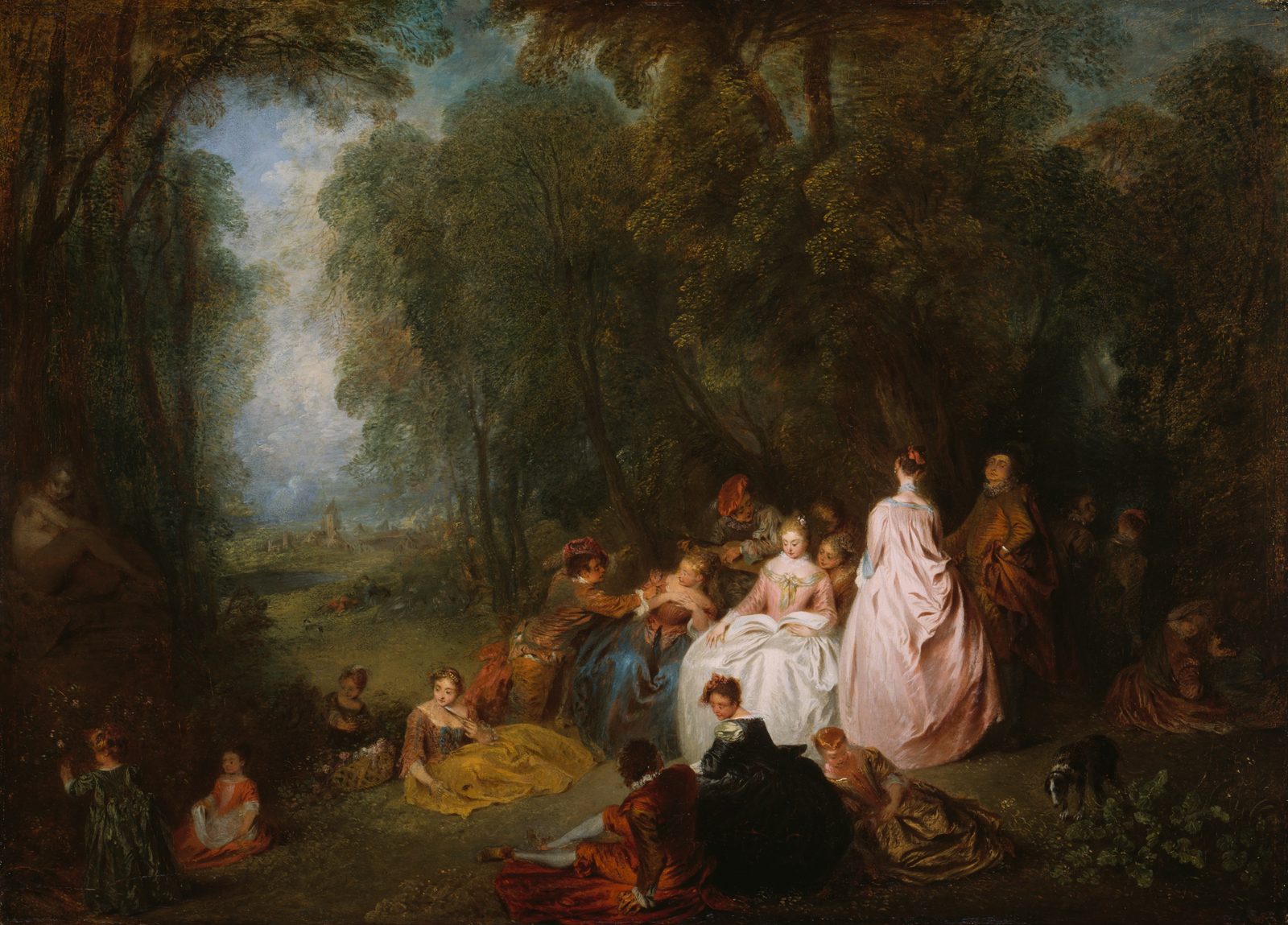
You know that real happiness is quiet: good friends, simple pleasures and a mind at peace.
Epicureanism was founded by Epicurus in Athens around 307 BC. Despite the modern word "epicure", it is not about luxury. It teaches that the happiest life is simple, calm and full of friendship.
Best-known voices: Epicurus · Lucretius.
Signs you might be an Epicurean
- Self-made meaning. You make your own meaning.
- Here and now. You are practical and live in the here and now.
- Tranquil pleasure. Peace of mind comes first.
- Equanimity. You stay calm and even.
- Withdrawal. You prefer a quiet, private life.
The Epicurean profile
The test measures nine traits. This chart shows where a typical Epicurean sits on each one: the further a point is from the centre, the more they lean toward the word printed there.
Where Epicureanism comes from
Epicurus was born on the island of Samos in 341 BC to Athenian parents. After teaching in Mytilene and Lampsacus, he moved to Athens around 306 BC and bought a house with a garden outside the city walls. The Garden became both the school's name and its way of life: a small community of friends, including women and slaves, who studied together, ate simply and tried to live free from fear. Epicurus died in 270 BC, leaving the property to the school and asking his friends to gather on the twentieth of every month in memory of him and his companions.
Unlike most schools, the Epicureans changed their founder's teaching very little for centuries. In Rome, Lucretius set it into a long Latin poem, On the Nature of Things, in the 50s BC, and the philosopher Philodemus taught near Naples. A library of his charred papyri, buried at Herculaneum by Vesuvius in AD 79, was dug up from the 1750s onward. In the second century AD, Diogenes of Oinoanda carved Epicurean teachings on a great stone wall in his city, in what is now Turkey.
Christian writers attacked Epicureanism as godless, and it faded. It returned almost by chance in 1417, when Poggio Bracciolini found a manuscript of Lucretius in a German monastery. Pierre Gassendi defended Epicurus in the 1640s, and in 1819 Thomas Jefferson called himself an Epicurean in a letter. Today Epicurus is read for his advice on desire, friendship and the fear of death.
341 BC
Epicurus is born on the island of Samos to Athenian parents.
c. 306 BC
Epicurus buys a house and garden in Athens; the Garden becomes the school's home and name.
270 BC
Epicurus dies, leaving the Garden to the school and asking friends to meet monthly in his memory.
54 BC
Cicero praises Lucretius's poem On the Nature of Things in a letter to his brother Quintus.
AD 79
Vesuvius buries the Villa of the Papyri at Herculaneum, preserving a library of Philodemus's Epicurean writings.
2nd century AD
Diogenes of Oinoanda carves Epicurean teaching on a public stone wall in his city, in today's Turkey.
1417
Poggio Bracciolini rediscovers a manuscript of Lucretius, returning Epicurean ideas to Renaissance Europe.
1647
Pierre Gassendi publishes a defence of Epicurus's life and character, helping revive Epicurean atomism.
1819
Thomas Jefferson tells his friend William Short, in a letter, that he too is an Epicurean.
Key Epicurean thinkers
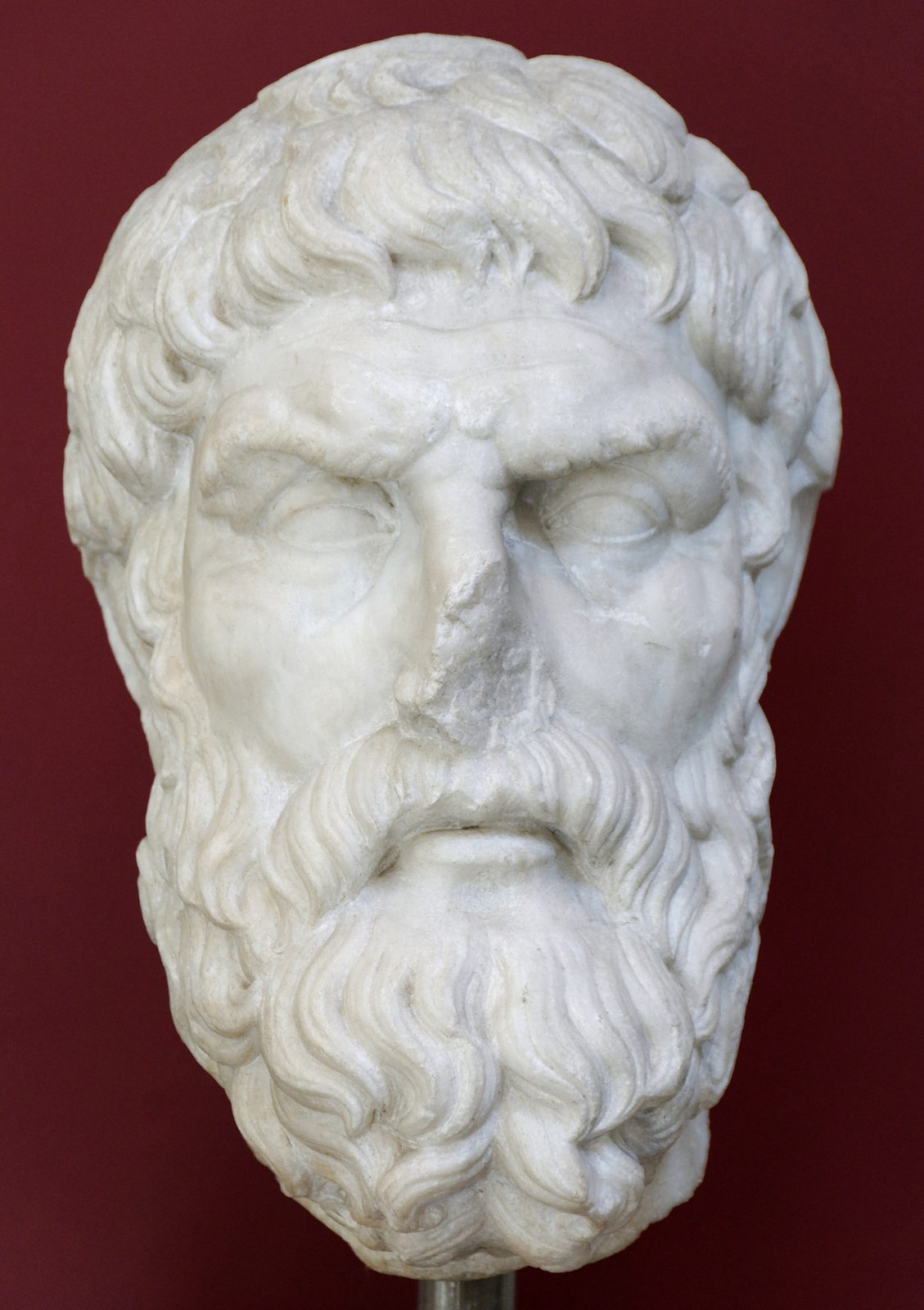
Epicurus
The gardener of quiet joys · 341–270 BC
Simple pleasures, close friends, no needless fear.
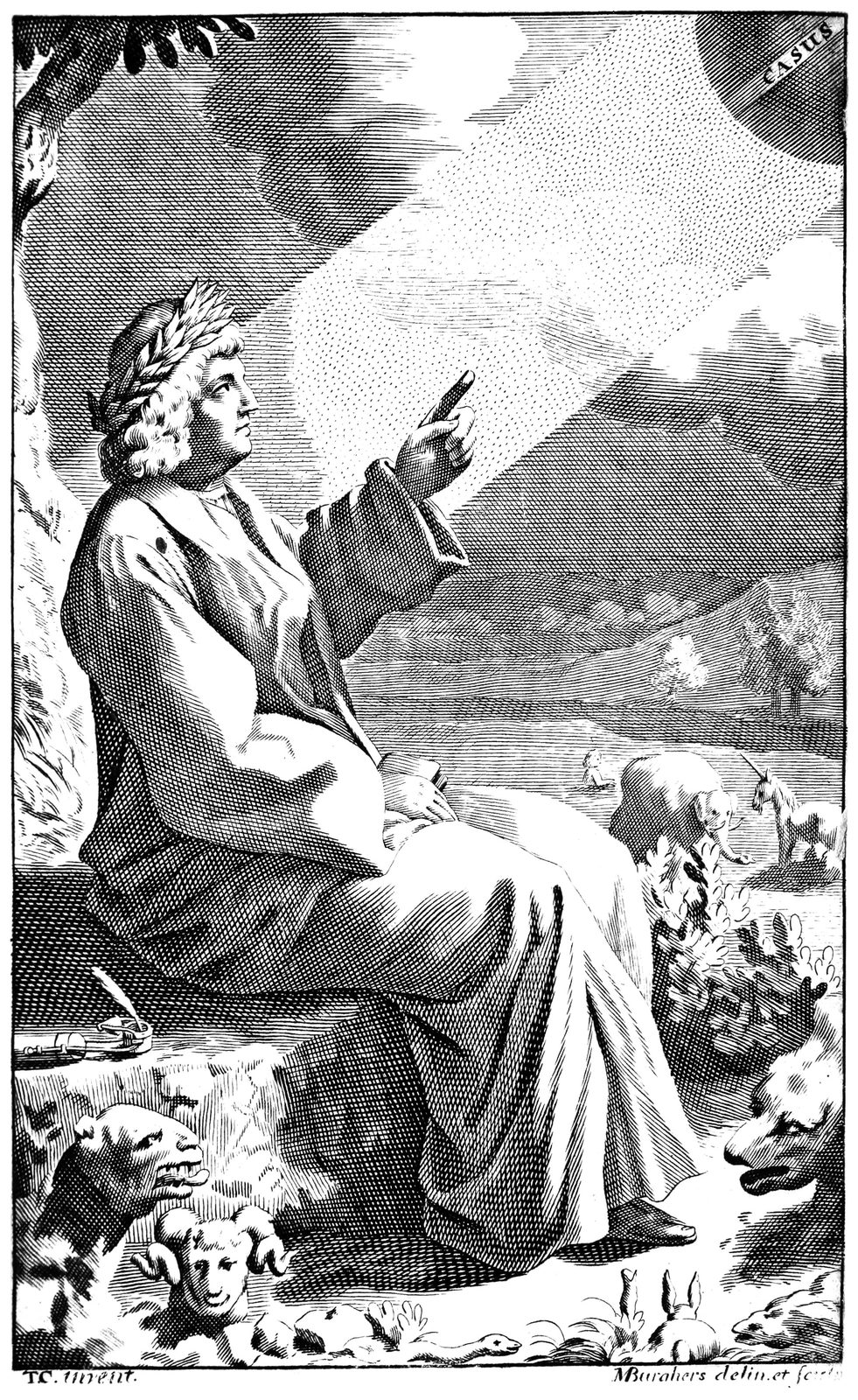
Lucretius
The poet who explained the atoms · c. 99–55 BC
Clear-eyed materialism as a cure for fear.
Close to Epicureanism
- Skepticism
You question everything, hold your opinions lightly, and you are very hard to fool.
- Taoism
You go with the flow, you don't force things, and somehow they tend to work out.
31 situations · about 12 minutes · free result