You are an
Absurdist
You know life makes no promises, and you live it fully anyway, with a wry smile.
The Absurdist, with a Cynic streak
98% match with the Absurdist profile
What is an Absurdist?
Absurdism is the outlook of the French writer Albert Camus (1913 to 1960). Life offers no final answer, he said, and the right response is neither despair nor fake certainty, but to live freely and fully anyway.
Sounds like you?
- You are hard to crush. Setbacks rarely feel like the end of the world to you, because you never thought the world was fair.
- Your humor makes heavy moments bearable for everyone around you.
- You enjoy life with unusual intensity, because you don't take it for granted.
Your profile
This chart shows you across nine traits. Each point is one trait. The further a point sits from the centre, the more you lean toward the word printed there. The dashed line shows a typical Absurdist.
What the nine points mean
- 1. MeaningFar from the centre: cosmic order, life has a bigger pattern or purpose.Near the centre: self-made meaning, you make your own meaning.You lean toward self-made meaning.
- 2. KnowledgeFar from the centre: confidence, careful thinking finds real answers.Near the centre: suspension, you hold your views lightly and doubt.You sit in the middle.
- 3. RealityFar from the centre: transcendent ideal, you reach for ideals and the best version of things.Near the centre: here and now, you are practical and live in the here and now.You lean toward here and now.
- 4. The goodFar from the centre: tranquil pleasure, peace of mind comes first.Near the centre: virtue, doing the right thing comes first, even when it costs you.You sit in the middle.
- 5. TemperFar from the centre: equanimity, you stay calm and even.Near the centre: intensity, you feel everything fully.You lean toward intensity.
- 6. CustomFar from the centre: nature over custom, rules must earn your respect; you do things your way.Near the centre: respect for custom, you respect customs and manners.You lean toward nature over custom.
- 7. EffortFar from the centre: flow, you go with the flow and don't force things.Near the centre: will, you rely on discipline and effort.You lean toward will.
- 8. SocietyFar from the centre: engagement, you step up for your community.Near the centre: withdrawal, you prefer a quiet, private life.You lean toward engagement.
- 9. Facing the voidFar from the centre: committed project, you find meaning in a goal you commit to.Near the centre: lucid revolt, you live fully without needing a grand goal.You lean toward lucid revolt.
Of nineteen philosophers, you think most like
Albert Camus
The rebel from the Algerian sun · 1913–1960
Living fully in a universe that offers no answers.
At a glance
- You live like an Absurdist, with a Cynic streak.
- Your kindred philosopher is Albert Camus.
- Your strongest leanings: lucid revolt, self-made meaning, intensity.
- You are close to a textbook Absurdist: no trait pulls you far from your school.
- Start tomorrow with the sisyphus task: Pick one repetitive chore you resent.
Albert Camus described the absurd as the collision between two things: our deep hunger for meaning, and a universe that answers with silence. Most people deal with that collision by escaping it, through religion, distraction, or despair. Camus proposed a third way: look straight at it, and live anyway. Fully. Defiantly. With a smile.
Your three closest schools
- Absurdist98%
- Cynic67%
- Existentialist67%
Your full report
All nine traits, your strengths and blind spots, and a 30-day plan.
How close you are to each school
Your answers compared with the profile of each of the eight schools. 100% would be a perfect match.
- Absurdist98%
- Cynic67%
- Existentialist67%
- Epicurean57%
- Stoic55%
- Skeptic51%
- Platonist51%
- Taoist48%
You came close to being a Cynic. On facing the void, you lean toward lucid revolt, while Cynics lean toward the middle. That, more than anything, is what kept you from being a Cynic.
Trait 1 of 9
Meaning
Does the universe come with an order and purpose, or do we bring our own?
providence or atoms
Your result
You make your own meaning, and you would rather build it than borrow it.
You Typical Absurdist
You do not wait for a sign before you act. When a friend says everything happens for a reason, you smile and think: maybe, but I still have to choose. Your weekends, your career moves and even the way you spend money reflect what you decided matters, not what anyone told you should matter.
Friends admire how honest you are about life. You do not dress up bad luck as a hidden lesson, and that makes your comfort feel real when someone is struggling. At work you take ownership quickly, because you know nobody else will write the plan for you. Your choices are clearly and proudly your own.
On tired days you may feel how heavy it is to carry all the meaning yourself. It can seem as if everything will fall apart the moment you stop pushing. You are allowed to rest and let a good evening simply be good. The meaning you have made will still be there tomorrow, ready when you are.
“In no wise the nature of all things / For us was fashioned by a power divine— / So great the faults it stands encumbered with.”
Lucretius, On the Nature of Things, Book 5, c. lines 195–199 (tr. W. E. Leonard)
Trait 2 of 9
Knowledge
Can we reach real truth, or is it wiser to suspend judgment?
what do i know?
Your result
You trust your reasoning on some things and stay openly unsure about others.
You Typical Absurdist
You know exactly where your confidence ends. On practical questions, like which route to take or whether a deal is fair, you decide quickly. On the big questions about life, you are happy to say it depends. Friends notice that you can argue a point firmly at lunch and then admit later that you might be wrong.
Around you, people get neither stubbornness nor endless dithering. You give a clear answer when one exists and an honest maybe when it does not. That balance makes you good at calming arguments between friends or colleagues, because you can see where each side has a point and where everyone is simply guessing.
At times you may hold back your view just to keep the peace. Being balanced is a strength, but sometimes people need to hear what you actually think. Trust yourself to speak up when you have a real opinion. You can always revise it later, and knowing that should make it easier to say it now.
“And this is why knowledge is more honourable and excellent than true opinion, because fastened by a chain.”
Plato (Socrates speaking), Meno 98a (tr. Benjamin Jowett)
Trait 3 of 9
Reality
Is the most real thing beyond the senses, or right in front of us?
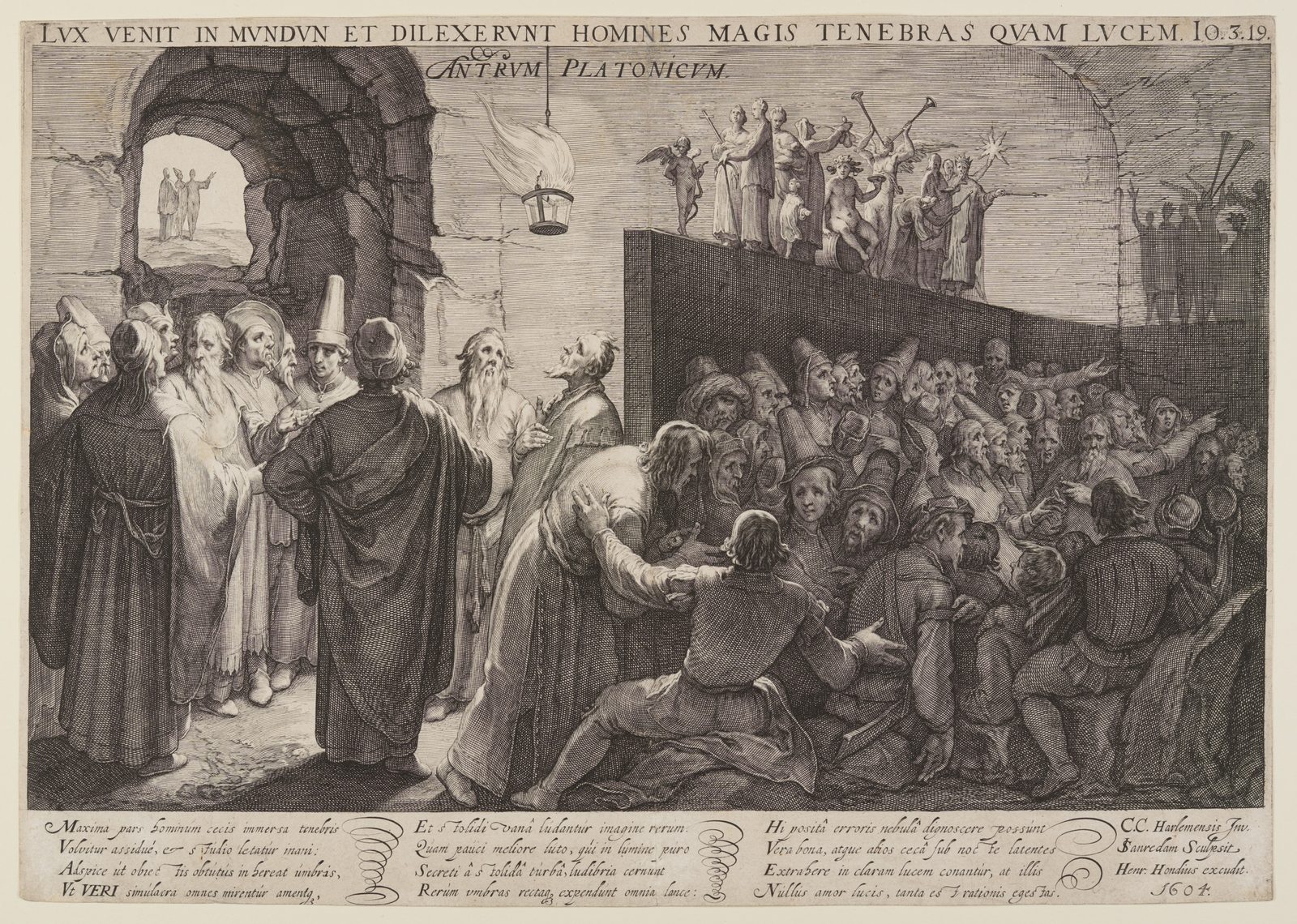
the cave or the earth
Your result
You live in the real world, and you like things best when they are concrete.
You Typical Absurdist
You care about what you can see, touch and use. Plans make sense to you when they come with a date, a budget and a first step. You enjoy good food, a walk outside and fixing something with your own hands. When conversations drift into grand theories, you tend to ask what it means for next Tuesday.
Friends rely on you to keep things grounded. They call you when they need practical help, not a speech. At work you turn vague ideas into tasks that actually get done. Your practical attitude saves everyone time and money, and your enjoyment of simple pleasures reminds people that a good life is often close at hand.
Be careful that you do not brush off big ideas too quickly. Sometimes a dreamy friend or an odd proposal at work holds something worth keeping. You do not have to buy into it; just give it a few minutes before you judge. You may find that a little imagination makes your practical plans even better than before.
“I conjure you, my brethren, remain true to the earth, and believe not those who speak unto you of superearthly hopes!”
Friedrich Nietzsche, Thus Spake Zarathustra, Prologue 3 (tr. Thomas Common)
Trait 4 of 9
The good
Is the goal a life free of pain, or a life lived rightly?
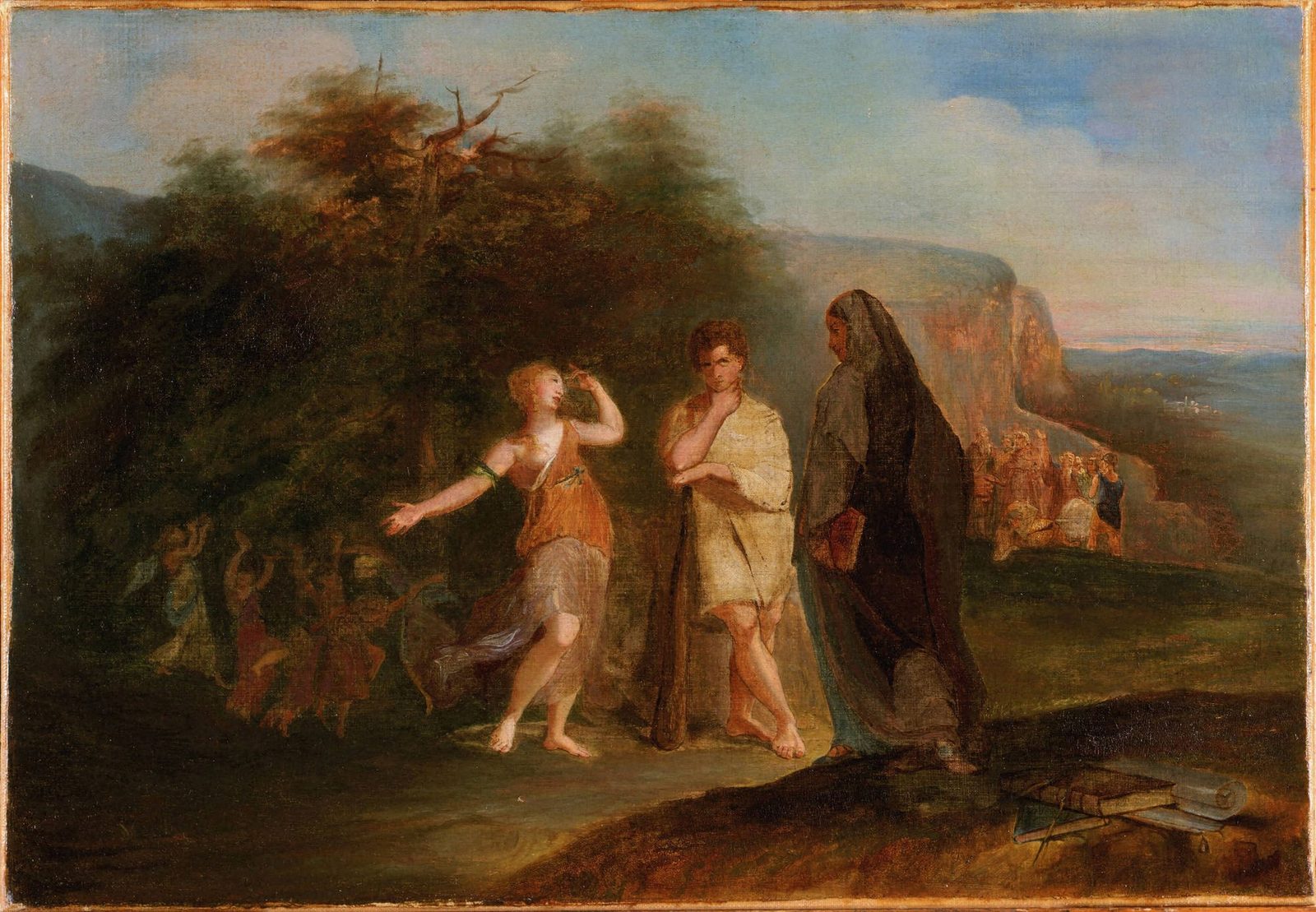
hercules at the crossroads
Your result
You want a life that feels good and a conscience that stays clear.
You Typical Absurdist
You weigh comfort and principle side by side. You will happily treat yourself to a lazy Sunday, but you will not cut corners at work to get there. When a friend asks for a favour, you think about both what is right and what you can realistically manage. Most days you find a fair balance.
Others see you as kind and sensible. You do not lecture anyone about how to live, yet you clearly have standards. That mix makes you a trusted adviser on everyday dilemmas, from splitting a bill to handling a tricky family situation. People like that your advice is both humane and honest.
One habit you might watch is splitting the difference when one side deserves to win. Sometimes the right choice really is the uncomfortable one, and sometimes you really do just need a rest. Notice which situations call for which. You will feel more settled when you trust yourself to lean fully one way when it counts.
“By pleasure we mean the absence of pain in the body and of trouble in the soul.”
Epicurus, Letter to Menoeceus, in Diogenes Laertius, Lives 10.131 (tr. R. D. Hicks)
Trait 5 of 9
Temper
Calm detachment, or feeling life at full volume?
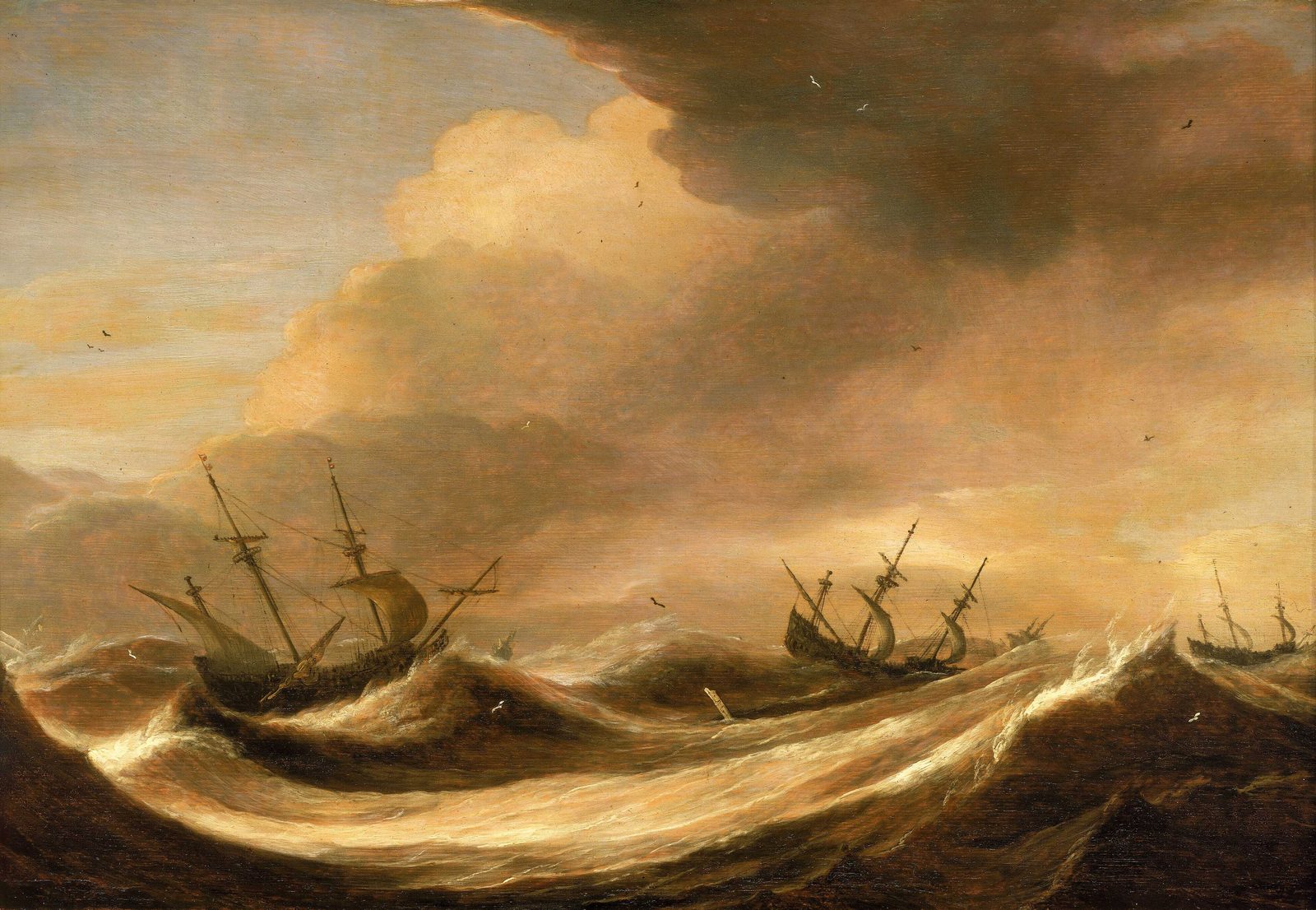
aequam mementoRemember to keep an even mind
Your result
You feel things fully, and you bring real passion to whatever you love.
You Typical Absurdist
You do not do anything halfway. A great song can make your whole week, a good argument can keep you up all night, and when you fall for a hobby you go all in. Your friends know your highs are high, and they also know you will be loudly and honestly on their side.
People love your energy. You make birthdays more fun, projects more exciting and conversations more alive. At work your enthusiasm pulls others along when a task feels dull. Friends trust your reactions because they are real, and they know you will fight hard for the people and causes you care about.
Sometimes you may notice that strong feelings wear out your energy and strain your relationships. A sharp message sent in the heat of the moment is hard to take back. Give yourself a short pause before big reactions. You will keep all of your passion and gain more say over where it goes.
“Let others complain that the times are wicked. I complain that they are paltry; for they are without passion.”
Søren Kierkegaard (the aesthete 'A'), Either/Or I, Diapsalmata (tr. Lee M. Hollander, Selections from the Writings of Kierkegaard, 1923)
Trait 6 of 9
Custom
Are social conventions mostly arbitrary, or worth keeping?
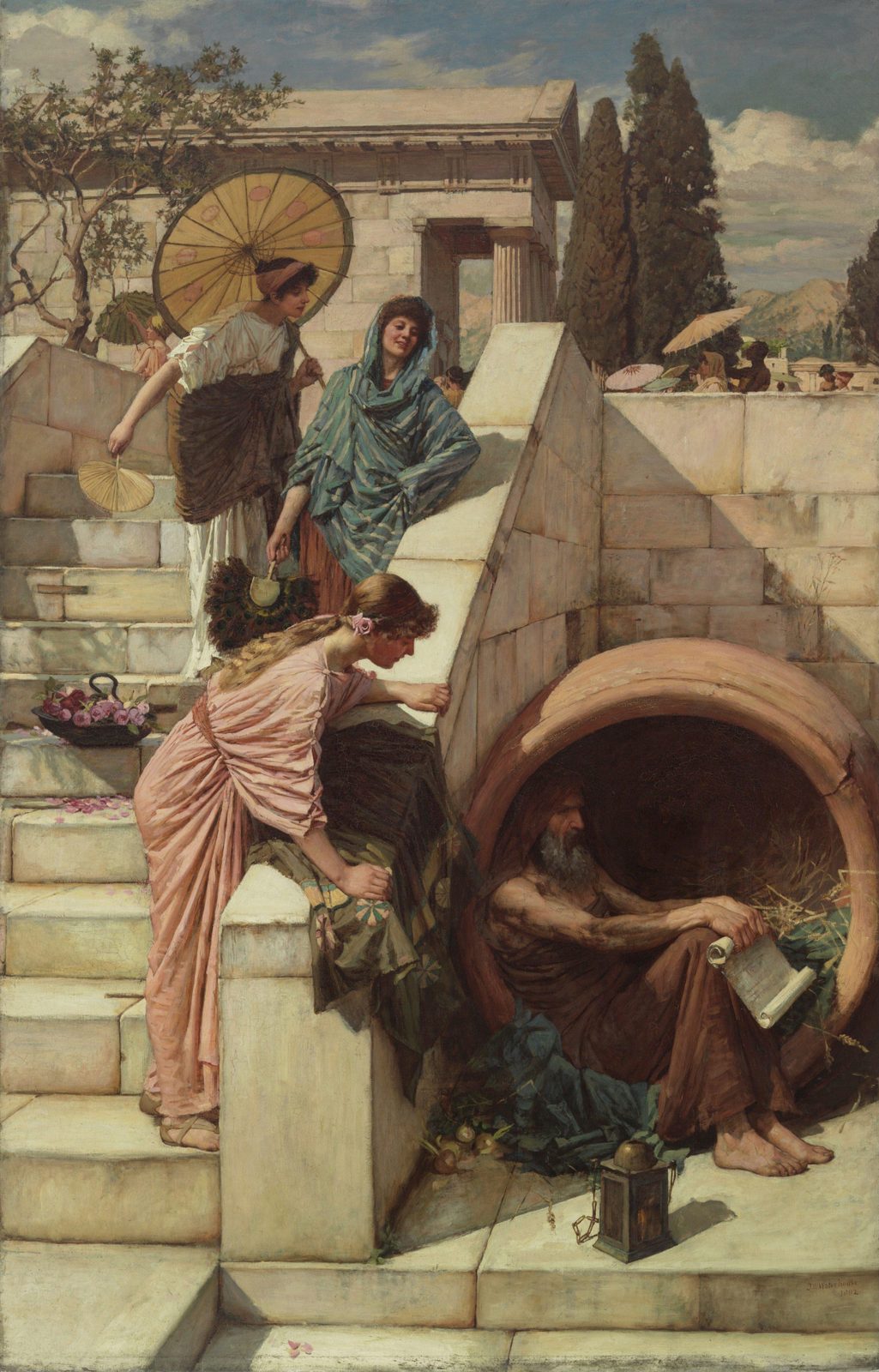
deface the currency
Your result
You do things your own way, and rules have to earn your respect.
You Typical Absurdist
You ask why a lot. Why the dress code, why that meeting, why everyone is expected to settle down by a certain age. If the only answer is that it has always been done, you quietly ignore it. You dress for comfort, plan your weekends without guilt and are happy to be the odd one out at family events.
Friends find you refreshing. You give them permission to drop habits that never suited them. At work you spot the pointless step in a process and suggest skipping it. Your honesty about what really matters helps everyone around you relax, and it often leads to simpler and better ways of doing things.
Sometimes you might dismiss a tradition before you understand what it does for others. A family ritual or a polite thank-you note can mean a lot to the people around you. You do not have to love every rule. You may simply find that keeping a few of them makes your freedom easier to enjoy.
“But he claimed that to fortune he could oppose courage, to convention nature, to passion reason.”
Diogenes of Sinope (as reported by Diogenes Laertius), Diogenes Laertius, Lives of the Eminent Philosophers 6.38 (tr. R. D. Hicks)
Trait 7 of 9
Effort
Yield and let things unfold, or train and choose deliberately?
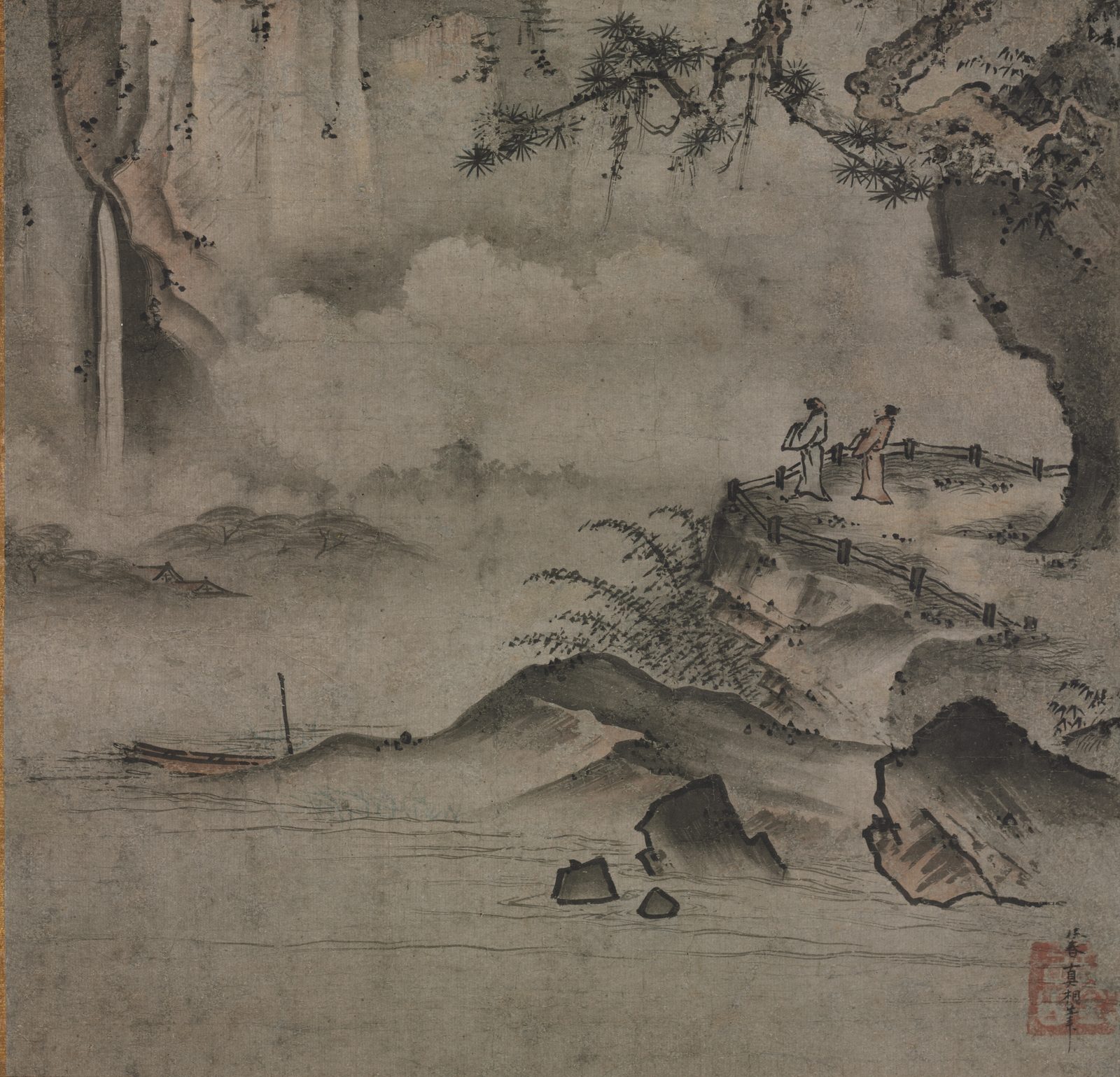
festina lenteMake haste slowly
Your result
You build your life through effort, and discipline is one of your quiet strengths.
You Typical Absurdist
You set goals and you actually follow through. You get up for the early workout, you save before you spend, and you finish the course you signed up for. When something matters, you make a plan and push until it is done. You believe that who you become is largely up to you.
People admire you for your determination. Friends ask you for advice on getting fit, paying off debt or changing careers, because they have watched you do it yourself. At work you are dependable under pressure, and you raise the standard for the whole team. Your self-discipline shows others what steady effort can achieve.
You may hold on too tightly when life refuses to follow the plan. Illness, other people and plain bad luck do not care about your schedule. Allow some days to be loose and unplanned. You will find that rest makes your effort last longer, and your goals will still be waiting for you on Monday.
“What bad habit of yours have you cured to-day? what vice have you checked? in what respect are you better?”
Seneca (recording the nightly self-examination of Sextius), Of Anger, Book III, ch. 36 (tr. Aubrey Stewart)
Trait 8 of 9
Society
Take part in public life, or retreat to the garden?
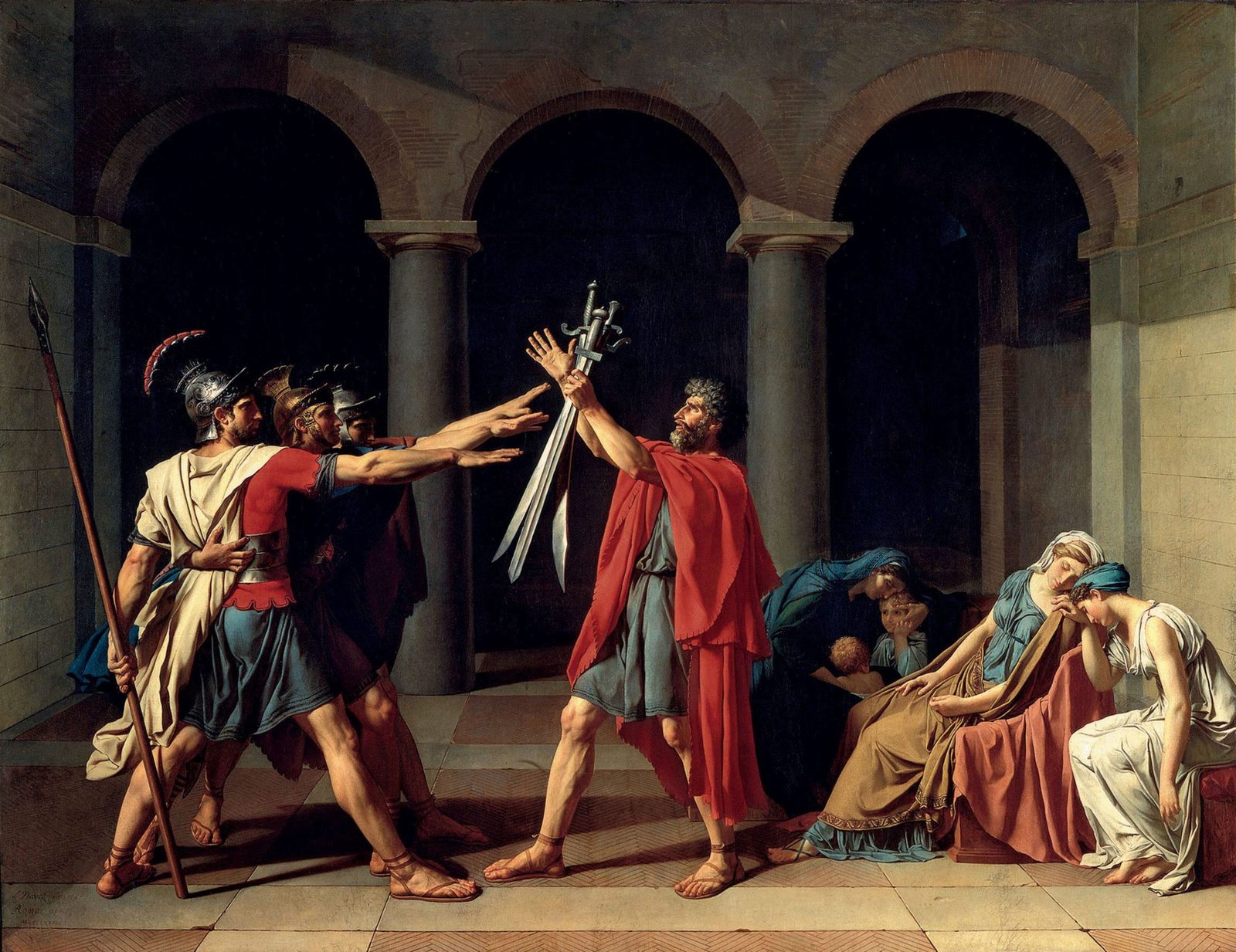
lathe biosasLive unnoticed
Your result
You feel responsible for the people around you, and you step up when it counts.
You Typical Absurdist
You are the one who organises the street clean-up, joins the residents' group or volunteers for the staff committee. When something unfair happens in your community, you want to fix it, not just complain online. You vote, you sign up and you show up. Watching from the sidelines rarely feels right to you.
People count on you to get things moving. Fundraisers, better office policies and neighbourhood plans often happen because you decided to start them. Friends admire how you turn concern into action. Your willingness to take responsibility in public gives others the courage to join in, and communities tend to be stronger where you are involved.
If you say yes to every cause, your own life can get squeezed, and you may not notice until you are exhausted. Your partner, your friends and your own rest deserve some of the energy you give to the world. Choose the causes where you make the biggest difference. You will do more good over time if you keep something back for yourself.
“That which is not good for the swarm, neither is it good for the bee.”
Marcus Aurelius, Meditations 6.54 (tr. George Long)
Trait 9 of 9
Facing the void
If life has no given meaning, do you build one, or live fully without one?
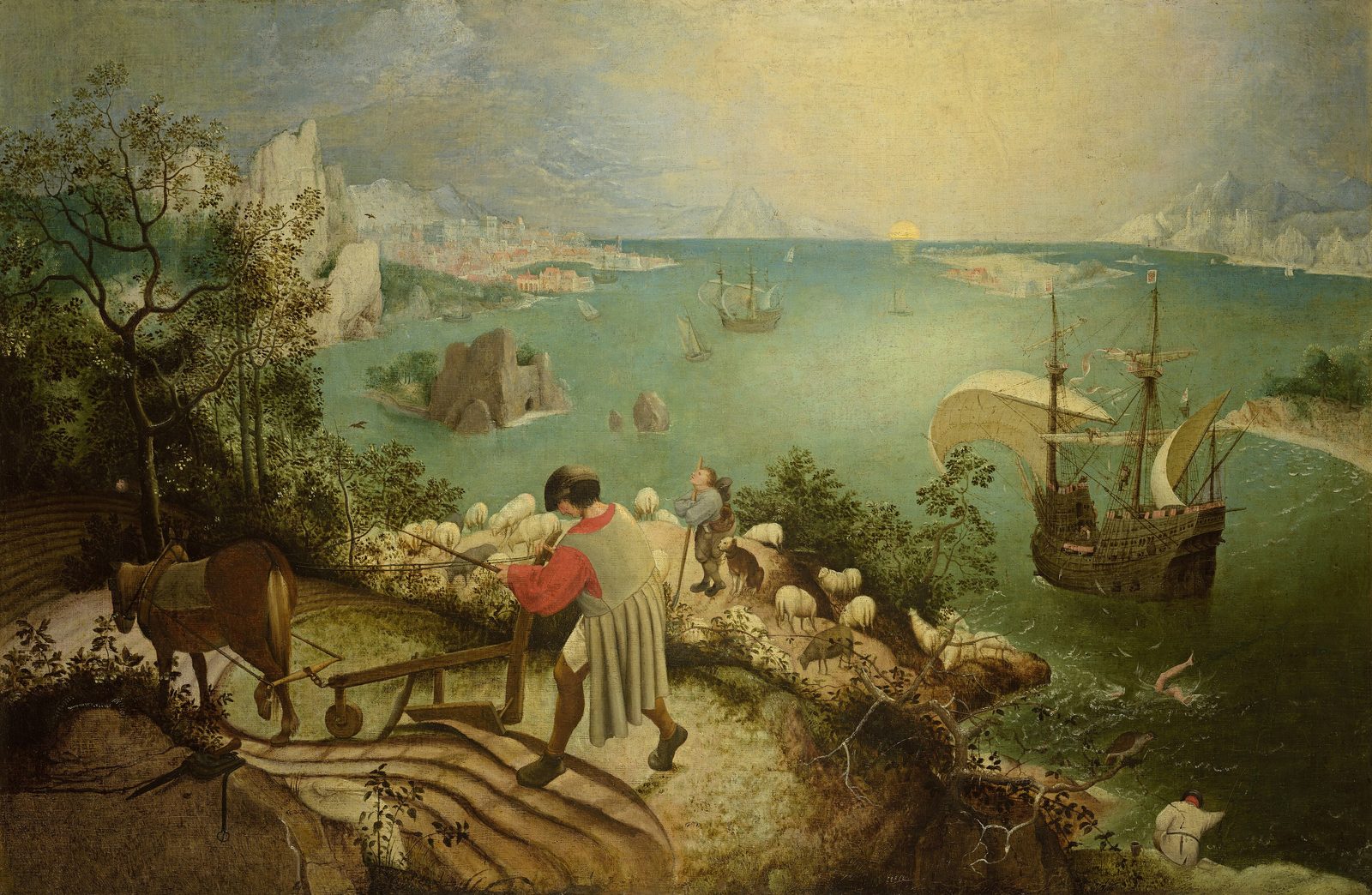
the house or the stone
Your result
You live fully in the moment, and you do not need a grand plan to enjoy life.
You Typical Absurdist
You do not feel any need to justify your life with a big mission. You enjoy a swim, a long dinner, a sharp joke and a sunny morning for what they are. When others stress about their long-term plans, you are busy noticing the day you are actually in. Life feels rich to you without a final answer.
People love you for your honesty and your appetite for life. You do not pretend everything has a neat purpose, and that makes your joy feel real. Friends come to you when they need to stop overthinking and simply live a little. Your clear, open attitude helps others enjoy the present instead of waiting for meaning to show up.
Without a long-term aim, you could drift when a little direction would help. Years can pass in the same job and the same routines simply by default. You do not need a grand purpose. You may still enjoy picking one thing to grow over time, and you will bring your full attention to it.
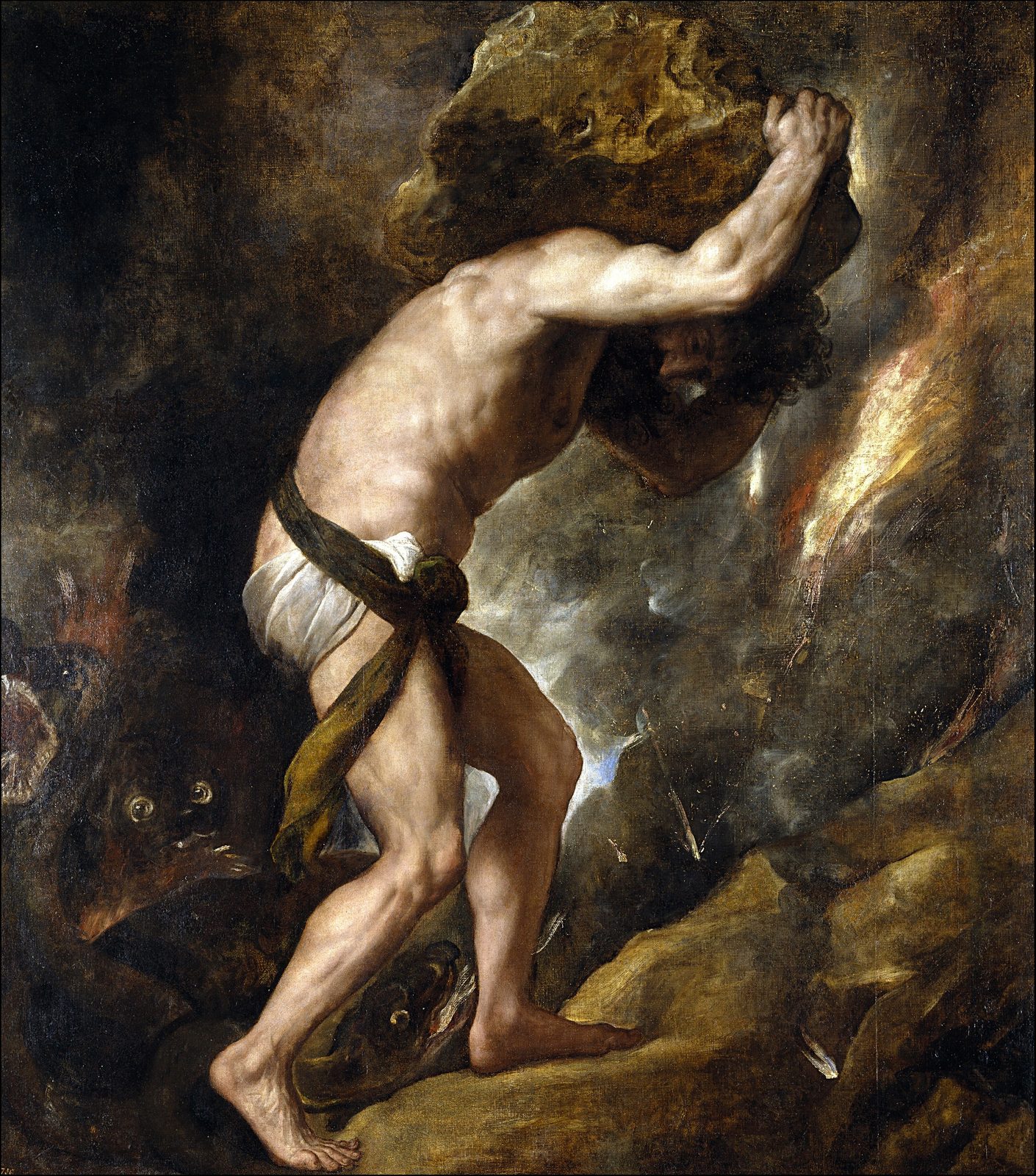
“One must imagine Sisyphus happy.”
Albert Camus, The Myth of Sisyphus, final chapter (tr. Justin O'Brien)
Strengths and blind spots
That is your stance. You have noticed how strange this all is, the rituals, the jobs, the fact that we are here at all, and instead of breaking you, it frees you. If nothing is guaranteed to matter, then every coffee, every friendship, every sunset is pure gift. Your humor is not avoidance. It is how you stay honest without losing heart.
Your strengths
- You are hard to crush. Setbacks rarely feel like the end of the world to you, because you never thought the world was fair.
- Your humor makes heavy moments bearable for everyone around you.
- You enjoy life with unusual intensity, because you don't take it for granted.
- You are suspicious of grand promises and false certainty, which protects you from a lot of nonsense.
Your blind spots
- The joke can become a shield. Some people never get to see what you actually feel.
- If nothing ultimately matters, it can be hard to commit to anything for long.
- Irony can slide into detachment. Camus's rebel cares fiercely. Make sure you still do.
You and the four great questions
On suffering
You meet pain with dark humor and a shrug, and that keeps you upright. But Camus did not ask us to laugh off suffering. He asked us to revolt against it: to keep caring, keep fighting for others, while knowing there is no cosmic reward. Let yourself feel it fully, then laugh.
On love
You love playfully and without illusions, and that makes your affection feel real. People relax around you. What they sometimes need is to hear that you are staying, that this one, out of all the absurd things in the universe, matters to you.
On work
You can do almost any job, because you never expected work to save your soul. The risk is drifting. You do best when you find a boulder worth pushing: something difficult that you choose to care about, knowing it is absurd, and doing it with joy anyway.
On death
Death is the punchline that makes the whole joke work, and you are oddly at peace with that. Camus wrote that the only serious philosophical question is whether life is worth living. Your answer, lived every day, is yes, not despite the absurd, but in its face.
Your second voice: Cynic
There is a Cynic edge in you. You see through pretense and don't need much to be content, and that keeps your main philosophy honest and hard to corrupt.
Your shadow side: Taoist
The Taoist is your least natural mode. You may believe that anything worth having must be fought for. Borrowing a little of their patience, the art of not forcing, could bring results you have been chasing too hard to catch.
Who will challenge you: Platonist
The Platonist believes there is a deeper truth and order behind everything. To you, that sounds like a beautiful hope. To them, your shrug sounds like giving up too early.
Your 30-day plan
Camus left no method, so this plan borrows his own moves: lucid seeing, refusing false comfort, revolt alongside others, and an appetite for ordinary life. The four weeks follow the path from The Myth of Sisyphus to The Rebel. Take each day lightly but honestly, the way Camus wrote.
Week 1: Seeing the absurd
Camus says the absurd often arrives on an ordinary day, when the routine of waking, commuting, working and sleeping suddenly prompts the question "why?" This week you let that question surface without rushing to answer it.
- 1Write out your typical weekday as Camus does in The Myth of Sisyphus: wake, commute, work, eat, sleep. Read it back and notice whatever feeling arises.
- 2Read the first chapter of The Myth of Sisyphus. Underline one sentence that names something you have felt but never put into words.
- 3Spend ten minutes watching something indifferent to you: rain, traffic, a river. At the end of The Stranger, Meursault opens himself to the world's indifference. Notice how that feels.
- 4Notice one thing today that makes little sense but everyone accepts: a ritual, a rule, a phrase. Smile at it rather than fighting it.
- 5Write down one answer you use to avoid the question of meaning: busyness, a plan for "later", an unexamined belief. Camus criticised such leaps of hope.
- 6Take a walk with no destination and no headphones. Camus's early essay Nuptials at Tipasa celebrates sun, sea and the body. Notice what your senses give you.
- 7Review: write a paragraph on what the absurd feels like in your own life. Keep it honest and specific rather than dramatic.
Week 2: Lucidity without escape
Camus asks us to live "without appeal": to keep both our longing for meaning and the world's silence in view. This week trains clear sight and steady attention.
- 8Keep a lucid log today: three times, stop and write exactly what you are doing and why, without flattering explanations.
- 9Read the final chapter of The Myth of Sisyphus, about the boulder. Write down what your own boulder is, the effort you return to again and again.
- 10When you catch yourself hoping a future event will finally make everything make sense, write it down. Then name one thing worth enjoying before it arrives.
- 11Camus played goalkeeper as a young man in Algiers and loved the theatre. Give an hour to a game, sport or performance, simply for the joy of playing.
- 12Read the opening of The Stranger and notice how Meursault refuses to perform feelings he does not have. Where do you perform feelings you do not have?
- 13Spend an evening without background noise or screens. Camus wrote of the silence of the world. Meet a little of it calmly and see what it is like.
- 14Review: when did you live "without appeal" this week, fully present without needing a guarantee? Describe that moment in a few sentences.
Week 3: Revolt and solidarity
In The Rebel, Camus moves from the lone individual to "I rebel, therefore we exist". Revolt here is not rage. It is refusing to accept needless suffering while staying humble about grand solutions.
- 15Read about Dr Rieux in The Plague, who does his job carefully because it needs doing. Identify one ordinary duty in your life that quietly protects others.
- 16Name one small, concrete injustice near you: at work, in your street, online. Write one modest action you can take this week, and take it.
- 17Camus warned against causes that justify any means. Choose a belief you hold strongly and ask where it might excuse harm to real people.
- 18Do one useful thing alongside other people: volunteer for an hour, help a neighbour, join a clean-up. Notice the solidarity Camus found in shared work.
- 19The opening of The Rebel says the rebel says no and, in saying it, says yes. Write what you refuse to accept, and what you affirm by refusing it.
- 20Tarrou in The Plague tries simply to stand on the side of the victims. Today, pay close attention to one person who is struggling and offer practical help.
- 21Review: list every act of revolt or solidarity this week, however small. Note which one felt most like you.
Week 4: Happiness in the face of it
"One must imagine Sisyphus happy." Camus meant a happiness that is lucid, chosen and physical, not cheerful pretence. These final nine days build that kind of joy into ordinary life.
- 22List twenty small sensory joys you know: a first coffee, warm stone, the smell of rain. Do three of them today, on purpose.
- 23Walk by water or sit in the sun for half an hour. Camus's happiest pages, in Nuptials and Summer, are about the body at ease in the world.
- 24Write a short note to someone you love saying plainly why they matter to you, with no joke to soften it. Then send it.
- 25Read Camus's Nobel Prize speech of 1957 on the writer's service to truth and liberty. Note one line you want to carry into your own work.
- 26Make something with no aim of being good at it: a sketch, a song, a scene. The Myth of Sisyphus treats such absurd creation as a way of living fully.
- 27Camus never finished The First Man, his book about his Algerian childhood. Write one page about the place and people who made you.
- 28Spend a day saying yes to small invitations you would normally decline: a conversation, a walk, a new dish. Notice how much life is on offer.
- 29Revisit your weekday description from day 1. Rewrite it, adding the moments of attention, revolt and joy you have practised this month.
- 30Read the last page of The Myth of Sisyphus aloud, slowly. Then write one sentence about what happiness means to you now.
Practices and books
The Sisyphus task
Pick one repetitive chore you resent. Do it this week with full attention and deliberate enjoyment. Notice what changes when you stop waiting for it to mean something.
Say the serious thing
Once this week, in a moment where you would normally make a joke, say what you actually feel instead. Then you can make the joke.
Choose a revolt
Camus's rebel says no to injustice. Choose one small cause, a person or a problem, and commit to it for a month, knowing it will not fix the universe.
Where to go next
The Myth of Sisyphus
Albert Camus
The essay that defines your philosophy. Read the last chapter first if you are impatient.
The Plague
Albert Camus
A novel about ordinary people choosing to fight a disaster that has no meaning. Camus's answer to how an absurdist should act.
The Stranger
Albert Camus
A man who refuses to pretend, and what society does to him for it.
Background: the life of Albert Camus
For the curious: the person whose way of thinking is closest to yours.
Thinking like Camus
Thinking like Camus means admitting, without drama, that you have asked the universe for meaning and heard nothing back, and then deciding to live anyway, fully, with your eyes open. You do not reach for a comforting system or a heaven to make it all add up. You look for intensity in plain things: sunlight, swimming, friendship, work done well. You are suspicious of anyone willing to kill for an idea. And you find a stubborn joy in pushing your rock up the hill, knowing it will roll back down.
What Camus would tell you
Camus would tell you that hope can be a way of escaping your life: always waiting for the meaning, the reward, the next chapter that will explain this one. There may be no explanation coming. That is not a reason to despair. It is a reason to stop postponing, and to live this ordinary day as if it were enough, because it may have to be.
Their story
Albert Camus was born on 7 November 1913 in Mondovi, in French Algeria. Less than a year later his father, a worker at a wine estate, was killed in the Battle of the Marne. Albert grew up in a cramped flat in a poor district of Algiers, with a mother who was partly deaf and could barely read, and a harsh grandmother. A primary-school teacher, Louis Germain, saw his talent and pushed him toward a scholarship. When Camus won the Nobel Prize, he wrote to Germain that his first thought, after his mother, had been of him.
As a teenager he kept goal for the junior team of Racing Universitaire d'Alger. At seventeen he began coughing blood. Tuberculosis ended his football, barred him from a teaching career and stalked him for the rest of his life. He studied philosophy anyway, joined and left the Communist Party, ran a theatre troupe, and as a journalist reported on famine in the mountains of Kabylie. Sea, sun and body run through his early essays as the only paradise he believed in.
In 1942, in occupied France, he published The Stranger and The Myth of Sisyphus, which asks whether life is worth living if it has no meaning, and answers yes. He joined the Resistance and edited its clandestine newspaper, Combat. After the liberation he was famous, and The Plague (1947) made him more so. But The Rebel (1951), which condemned revolutionary violence, the Soviet kind included, ended his friendship with Sartre in a bitter public quarrel. His refusal to back either side in the Algerian war cost him more friends.
He won the Nobel Prize in 1957, at forty-four. On 4 January 1960 he was killed when the car he was riding in, driven by his publisher's nephew Michel Gallimard, hit a tree near Villeblevin. In his bag was the unfinished manuscript of The First Man, a novel about his childhood. In his pocket, it is often said, was an unused train ticket.
“One must imagine Sisyphus happy.”
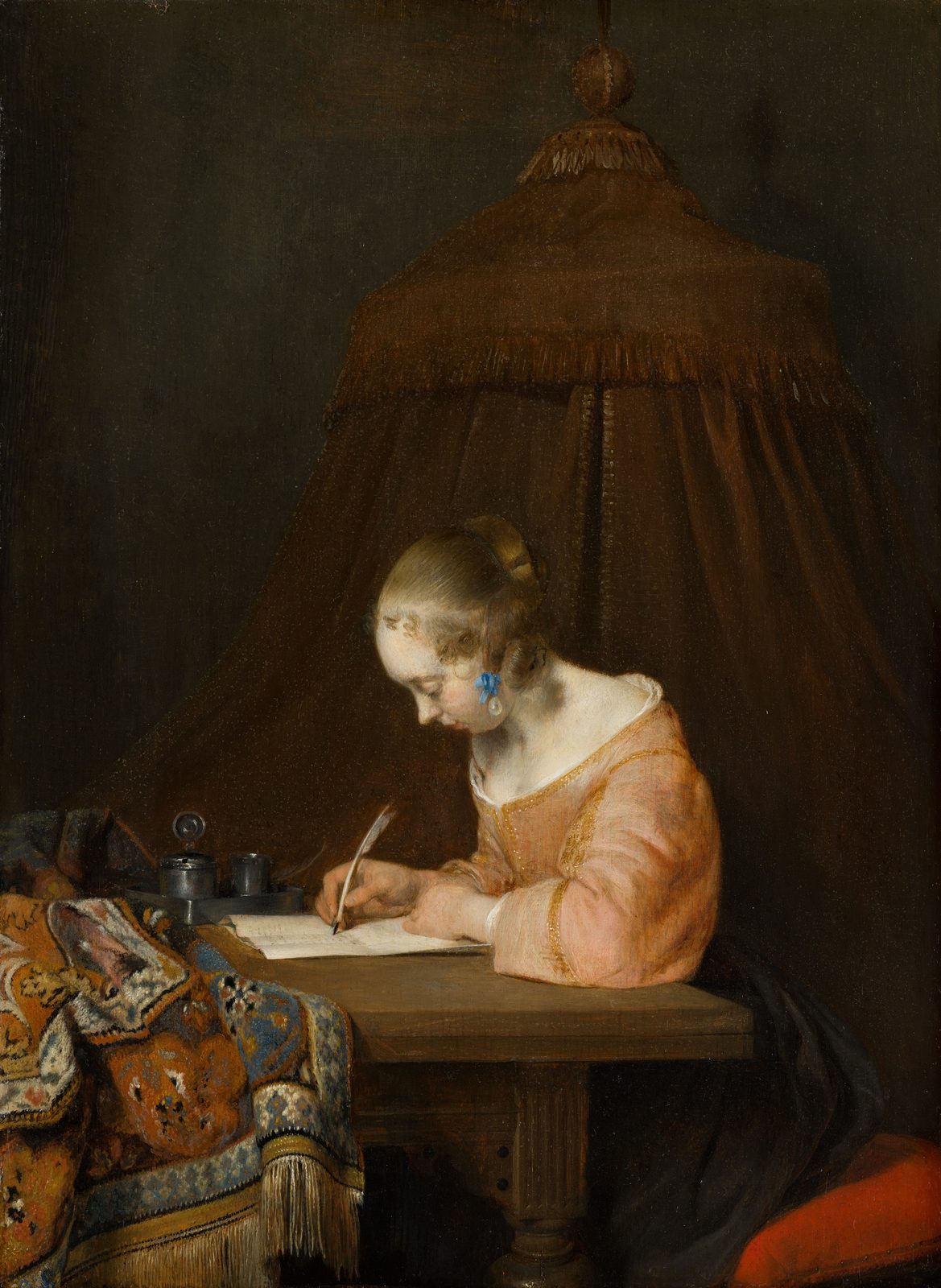
Also close to you: Simone de Beauvoir
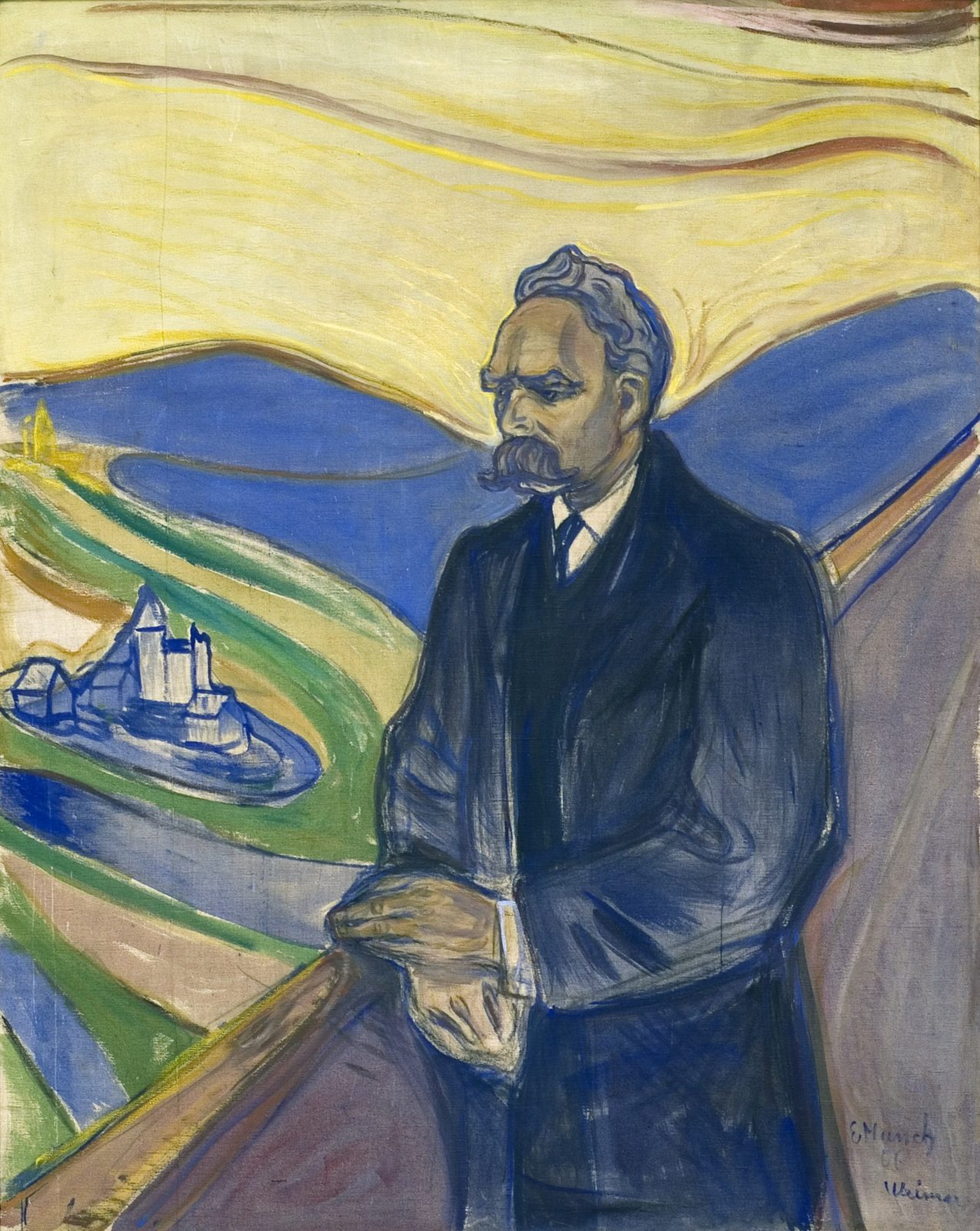
Also close to you: Friedrich Nietzsche
Background: the Absurdist school
To be honest, absurdism is not really a school. It is essentially the position of one writer, Albert Camus, born in 1913 in Mondovi, French Algeria, and raised in a poor district of Algiers. Others had used the word "absurd", Kierkegaard among them, but Camus made it the starting point of a philosophy of life. He worked it out in a group of works he called the cycle of the absurd, including the novel The Stranger and the essay The Myth of Sisyphus, both published in 1942, and the play Caligula.
During the war Camus worked for the Resistance newspaper Combat. After it, his novel The Plague (1947) and essay The Rebel (1951) moved from the solitary individual toward shared revolt against suffering. The Rebel led to a bitter public break with Jean-Paul Sartre in 1952. Camus is often called an existentialist, but he rejected the label more than once. He won the Nobel Prize in Literature in 1957 and died in a car accident on 4 January 1960, aged 46.
There was no academy and no line of successors. The word lived on partly through the "Theatre of the Absurd", a term the critic Martin Esslin gave in 1961 to playwrights such as Samuel Beckett and Eugène Ionesco, though they never formed a movement with Camus. Today absurdism survives as a stance that readers take from Camus's books: facing the silence of the universe honestly, and choosing to live fully anyway.
1913
Albert Camus is born on 7 November in Mondovi, French Algeria.
1942
Camus publishes The Stranger and The Myth of Sisyphus in occupied Paris.
1943
Camus begins working for the Resistance newspaper Combat, which he edits after the Liberation of Paris.
1947
The Plague appears, turning from solitary absurdity toward shared resistance against suffering.
1951
The Rebel argues that revolt must keep limits; it leads to a public break with Sartre in 1952.
1957
Camus receives the Nobel Prize in Literature, aged 44.
1960
Camus dies in a car accident on 4 January near Villeblevin, France.
1961
Critic Martin Esslin coins the phrase Theatre of the Absurd for playwrights such as Beckett and Ionesco.
1994
The First Man, the unfinished autobiographical novel found in the wrecked car, is finally published.
“The struggle itself toward the heights is enough to fill a man's heart. One must imagine Sisyphus happy.”
Albert Camus, The Myth of Sisyphus
About this report
You responded to 31 situations and memories. Rather than asking what you believe, each asks how you would react, and every answer nudges one or two of nine dimensions of thought, so no single choice decides your result. The dimensions are inspired by published research on constructs such as Stoic attitudes, meaning in life, intellectual humility and hedonic versus eudaimonic motives; the situations themselves are our own.
Each school and philosopher is represented by a profile across the nine dimensions, rated independently by a panel of AI-assisted reviewers working from primary texts and the Stanford Encyclopedia of Philosophy; the panel's median was used. These are interpretations, not measured data, and have not yet been reviewed by human scholars. Philosophers within one school can be very similar, so your closest philosopher is a suggestion, not a verdict.
This report is a tool for self-reflection. It is not a psychological, medical or diagnostic assessment and has not been scientifically validated. If questions about meaning or mortality bring up distress, please reach out to a mental-health professional or a local crisis line.
Paintings in this report
- Frontispiece: Sisyphus, Titian, 1548–49, Museo del Prado, Madrid. Public domain
- Portrait of Albert Camus: The Gulf of Salerno, Joseph Wright of Derby, 1783–85, Art Institute of Chicago. CC0 (Symbolic: Mediterranean light and sea; no clearly public-domain portrait of Camus at usable resolution was found.)
- Trait 1: A Philosopher Giving that Lecture on the Orrery, Joseph Wright of Derby, c. 1766, Derby Museum and Art Gallery. Public domain
- Trait 2: A Vanitas Still Life with a Flag, Candlestick, Musical Instruments, Books, Writing Paraphernalia, Globes, and Hourglass, Edwaert Collier, 1662, Art Institute of Chicago. CC0
- Trait 3: Plato’s Cave, Jan Saenredam, 1604, Art Institute of Chicago. CC0
- Trait 4: Choice of Hercules, Thomas Sully, 1819, Princeton University Art Museum. Public domain
- Trait 5: Ships in a Heavy Sea Running Before a Storm, Pieter Mulier the Elder, c. 1640, Royal Museums Greenwich. Public domain
- Trait 6: Diogenes, John William Waterhouse, 1882, Art Gallery of New South Wales. Public domain
- Trait 7: Gazing at a Waterfall, Sōami, early 1500s, The Cleveland Museum of Art. CC0
- Trait 8: The Oath of the Horatii, Jacques-Louis David, 1784–85, Musée du Louvre, Paris. Public domain
- Trait 9: Landscape with the Fall of Icarus, After Pieter Bruegel the Elder, between 1582 and 1625, Royal Museums of Fine Arts of Belgium, Brussels. Public domain