What is Absurdism?
And are you an Absurdist?
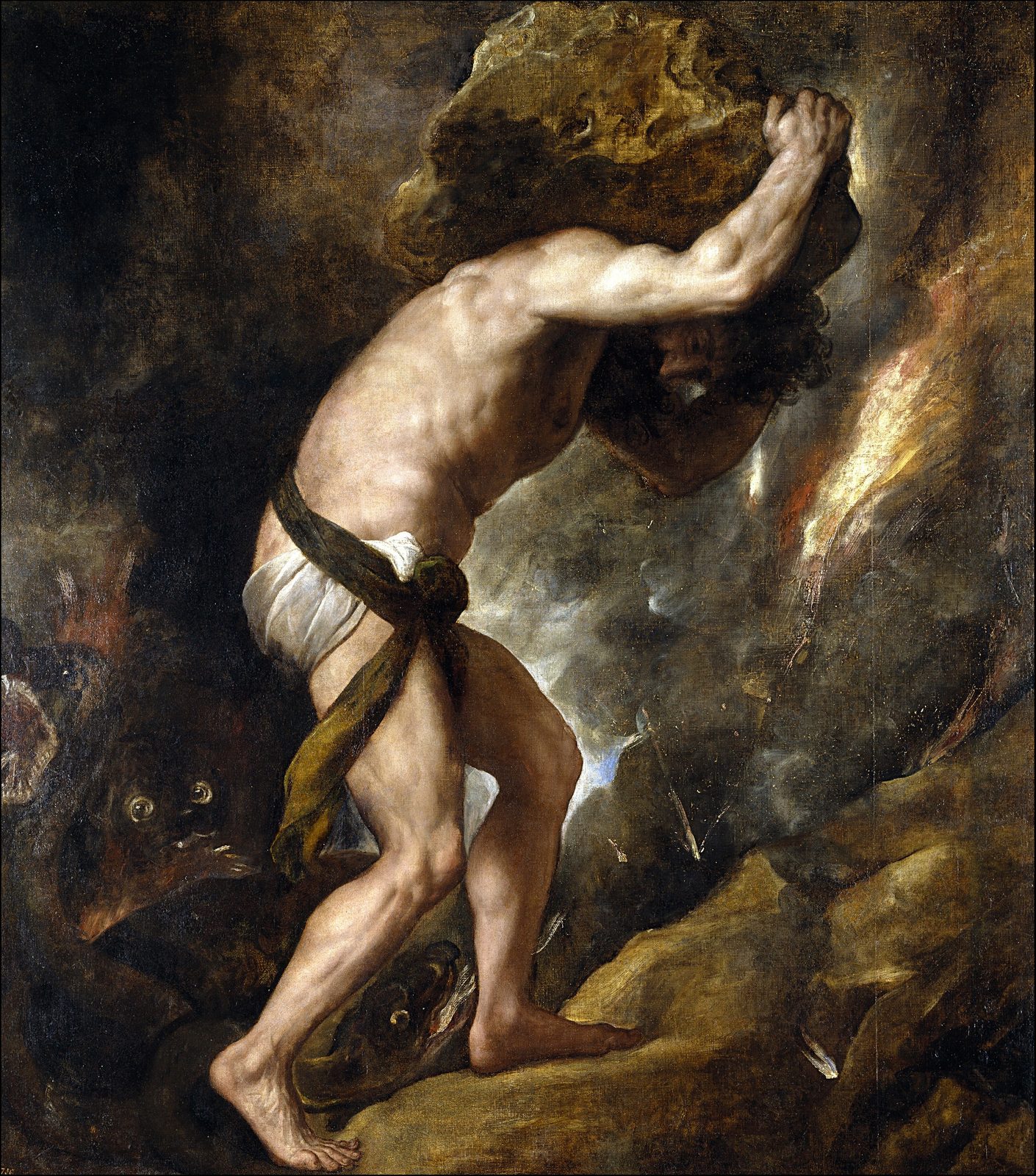
You know life makes no promises, and you live it fully anyway, with a wry smile.
Absurdism is the outlook of the French writer Albert Camus (1913 to 1960). Life offers no final answer, he said, and the right response is neither despair nor fake certainty, but to live freely and fully anyway.
Best-known voices: Albert Camus.
Signs you might be an Absurdist
- Self-made meaning. You make your own meaning.
- Here and now. You are practical and live in the here and now.
- Intensity. You feel everything fully.
- Nature over custom. Rules must earn your respect; you do things your way.
- Engagement. You step up for your community.
- Lucid revolt. You live fully without needing a grand goal.
The Absurdist profile
The test measures nine traits. This chart shows where a typical Absurdist sits on each one: the further a point is from the centre, the more they lean toward the word printed there.
Where Absurdism comes from
To be honest, absurdism is not really a school. It is essentially the position of one writer, Albert Camus, born in 1913 in Mondovi, French Algeria, and raised in a poor district of Algiers. Others had used the word "absurd", Kierkegaard among them, but Camus made it the starting point of a philosophy of life. He worked it out in a group of works he called the cycle of the absurd, including the novel The Stranger and the essay The Myth of Sisyphus, both published in 1942, and the play Caligula.
During the war Camus worked for the Resistance newspaper Combat. After it, his novel The Plague (1947) and essay The Rebel (1951) moved from the solitary individual toward shared revolt against suffering. The Rebel led to a bitter public break with Jean-Paul Sartre in 1952. Camus is often called an existentialist, but he rejected the label more than once. He won the Nobel Prize in Literature in 1957 and died in a car accident on 4 January 1960, aged 46.
There was no academy and no line of successors. The word lived on partly through the "Theatre of the Absurd", a term the critic Martin Esslin gave in 1961 to playwrights such as Samuel Beckett and Eugène Ionesco, though they never formed a movement with Camus. Today absurdism survives as a stance that readers take from Camus's books: facing the silence of the universe honestly, and choosing to live fully anyway.
1913
Albert Camus is born on 7 November in Mondovi, French Algeria.
1942
Camus publishes The Stranger and The Myth of Sisyphus in occupied Paris.
1943
Camus begins working for the Resistance newspaper Combat, which he edits after the Liberation of Paris.
1947
The Plague appears, turning from solitary absurdity toward shared resistance against suffering.
1951
The Rebel argues that revolt must keep limits; it leads to a public break with Sartre in 1952.
1957
Camus receives the Nobel Prize in Literature, aged 44.
1960
Camus dies in a car accident on 4 January near Villeblevin, France.
1961
Critic Martin Esslin coins the phrase Theatre of the Absurd for playwrights such as Beckett and Ionesco.
1994
The First Man, the unfinished autobiographical novel found in the wrecked car, is finally published.
Key Absurdist thinkers
Albert Camus
The rebel from the Algerian sun · 1913–1960
Living fully in a universe that offers no answers.
Close to Absurdism
- Cynicism
You live by your own rules, need very little, and say what other people only think.
- Existentialism
You refuse to live by a script someone else wrote. You decide who you are.
31 situations · about 12 minutes · free result